Skip to content


Learn how to read Google Search Console’s generative AI performance report, track AI Overviews visibility and measure AI traffic in GA4.
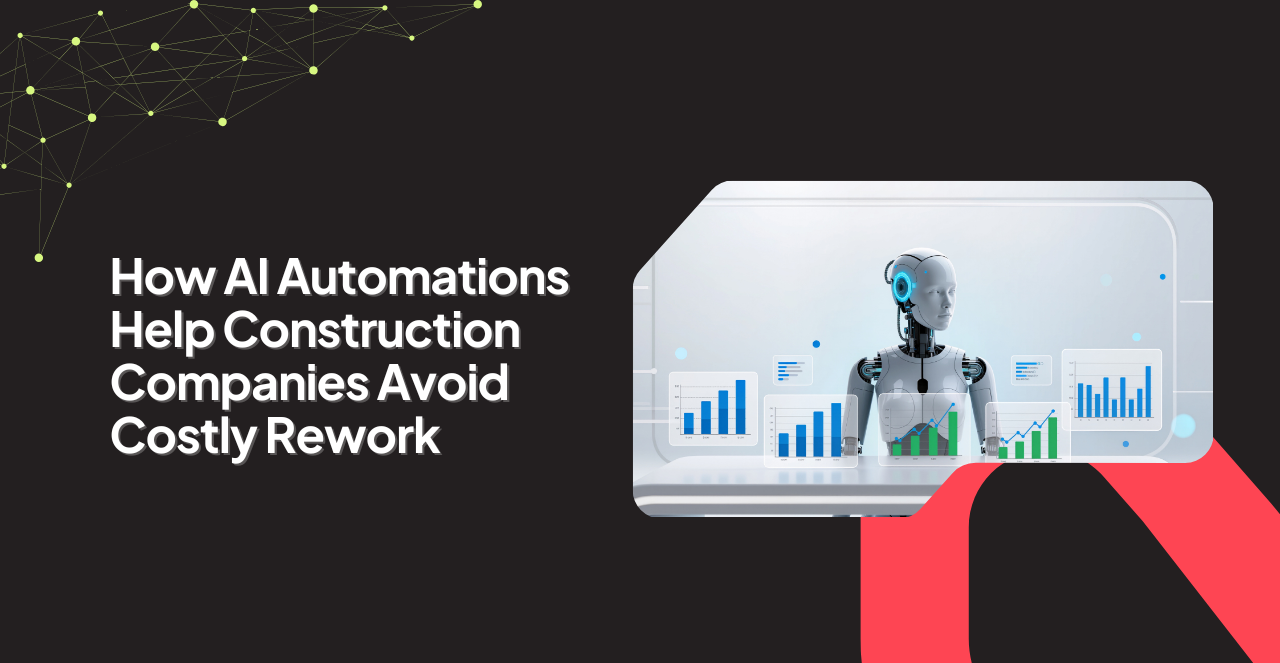
Rework is one of the most expensive and frustrating challenges in the construction industry. For construction companies in Melbourne, redoing work due to miscommunication, outdated information, or compliance issues can significantly impact timelines and profit margins.
As projects grow more complex, relying on manual coordination and disconnected systems increases the risk of errors. Construction workflow automation powered by AI offers a practical solution by improving visibility, accuracy, and accountability across job sites.
AI jobsite tools allow construction teams to receive real-time updates, manage documentation, and coordinate tasks without relying on manual follow-ups. This article explores why rework happens so often, how AI automation prevents it, and how Melbourne construction companies can implement these systems effectively.
Why Rework Happens So Often in Construction
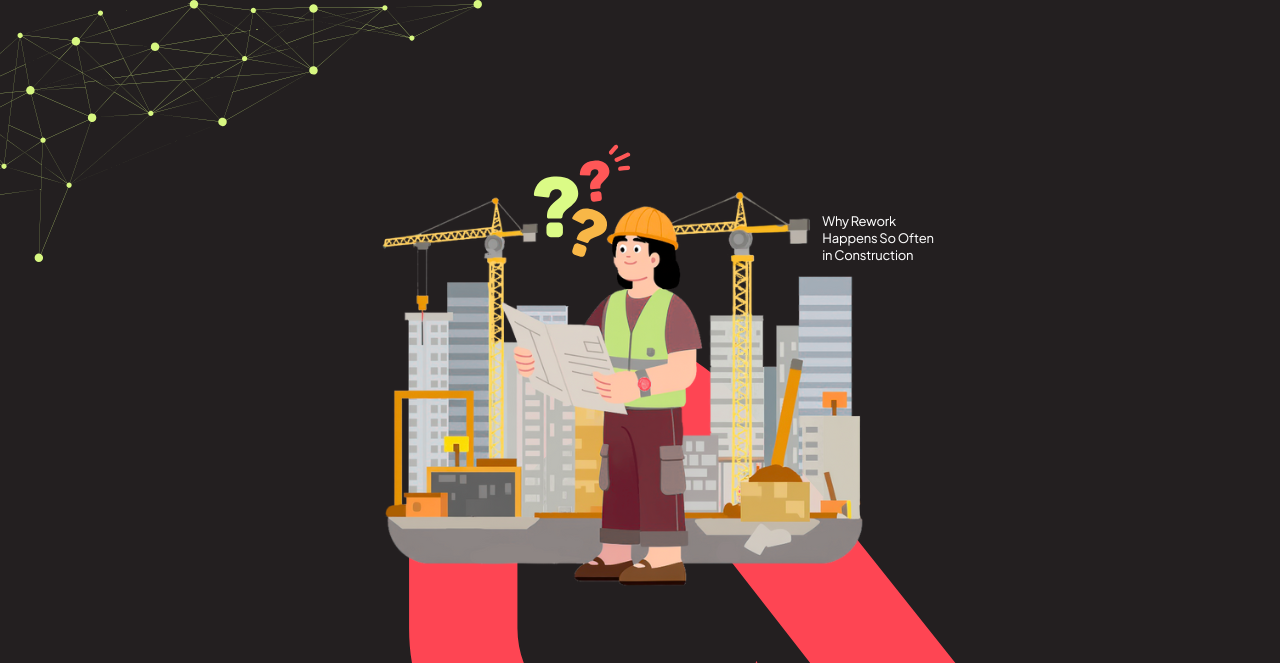
Rework rarely stems from poor workmanship alone. In most cases, it is caused by communication gaps, outdated plans, and inconsistent documentation across teams.
Construction projects involve multiple stakeholders, including site managers, contractors, subcontractors, and suppliers. When information is shared through emails, phone calls, or spreadsheets, it is easy for details to be missed or misunderstood.
Another common cause of rework is working from outdated drawings or specifications. When changes are not communicated clearly or promptly, teams may continue work based on old information.
Manual reporting also contributes to the problem. Progress updates are often delayed, meaning issues are discovered too late to prevent rework.
Construction workflow automation addresses these issues by creating a single source of truth. AI systems ensure that updates are shared instantly, tasks are aligned with current plans, and potential errors are identified early.
AI Agents for Real-Time Updates
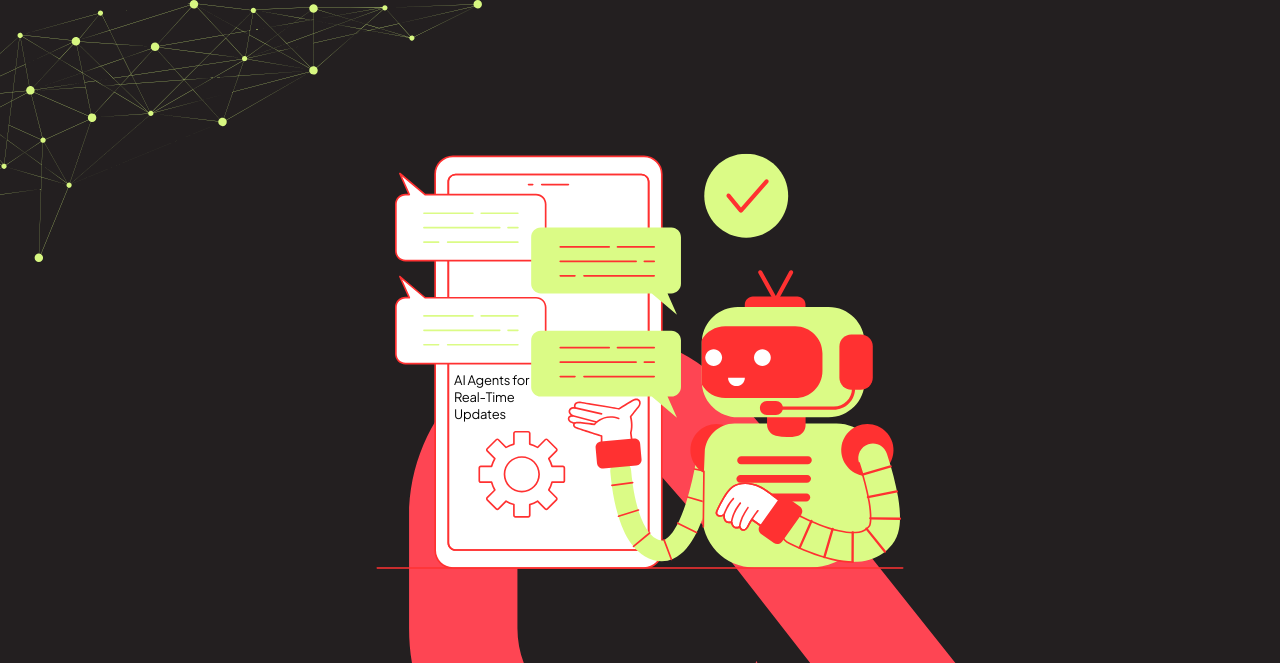
AI agents act as digital coordinators that keep construction teams informed in real time. They collect data from jobsite tools, project management platforms, and schedules to generate up-to-date insights.
Instead of waiting for manual reports, stakeholders receive automatic updates on task status, progress milestones, and potential delays. This transparency allows teams to respond quickly to issues before they escalate.
AI jobsite tools also ensure that everyone works with the latest information. When changes are made to plans or schedules, AI agents notify relevant team members instantly.
By enabling real-time updates, AI automation reduces the risk of misaligned work and costly rework caused by outdated or incomplete information.
McKinsey’s report on the construction industry productivity and how innovation and automation can improve outcomes.
Auto Task Assignment
- Auto task assignment removes ambiguity from job responsibilities. AI systems assign tasks based on predefined rules such as role, availability, and skill set.
- When a task is completed or delayed, AI agents automatically update the workflow and assign the next action to the appropriate person. This ensures continuity and accountability.
- Automated task assignment also reduces reliance on manual coordination. Site managers no longer need to chase team members or reassign tasks manually.
- By ensuring tasks are always clearly assigned and tracked, construction companies reduce delays and prevent errors that lead to rework.
Automated Reporting
- Automated reporting replaces manual status updates with real-time data-driven insights. AI agents generate reports based on actual jobsite activity rather than subjective updates.
- These reports provide accurate visibility into progress, resource usage, and potential issues. Stakeholders can access reports at any time without waiting for scheduled updates.
- Automated reporting also helps identify patterns that contribute to rework, such as recurring delays or frequent change requests.
- With better reporting, construction teams can make informed decisions quickly and reduce the likelihood of errors going unnoticed.
AI for Documentation & Compliance
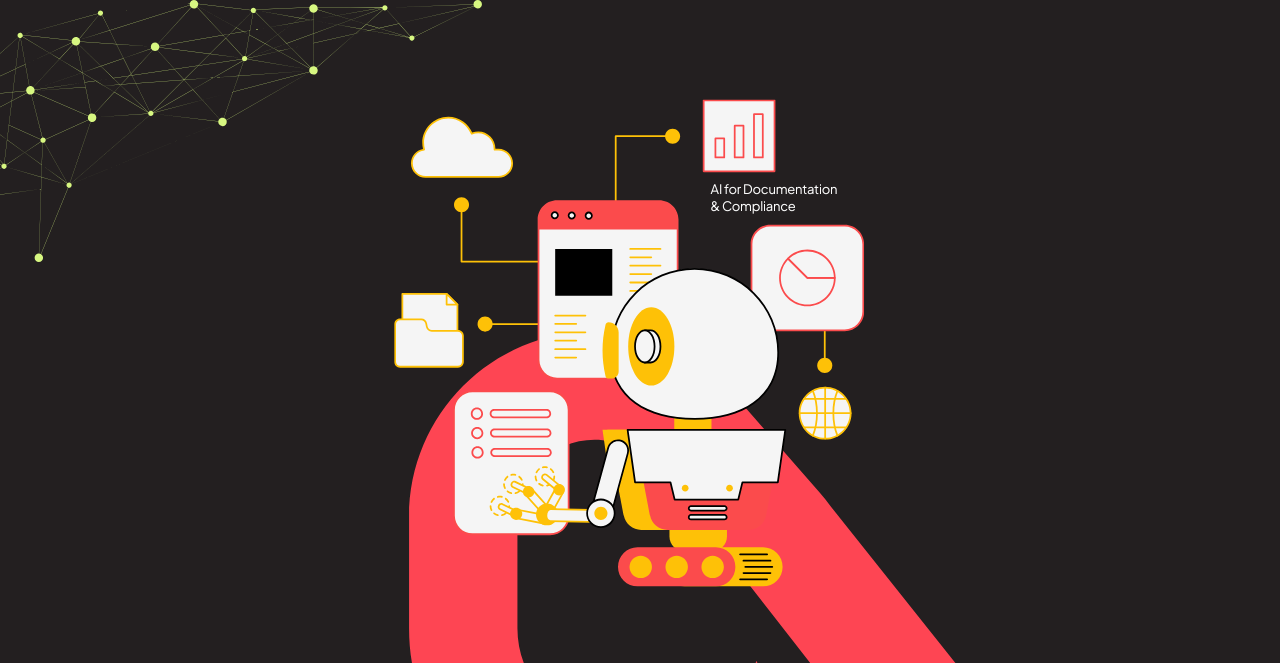
Documentation errors are a major source of rework in construction. Missing approvals, outdated records, and inconsistent documentation can result in work needing to be redone.
AI automation improves documentation management by centralising files and tracking changes automatically. Every update, approval, and revision is recorded in real time.
AI systems also help ensure compliance by flagging missing documents or approvals before work proceeds. This proactive approach reduces the risk of non-compliance-related rework.
By maintaining accurate and up-to-date documentation, construction companies protect themselves from costly mistakes and disputes.
Improving Team Coordination with Automated Workflows

Effective coordination is essential for preventing rework. When teams are not aligned, tasks overlap, steps are missed, and errors occur.
Automated workflows connect teams across departments and job sites. AI systems ensure that information flows smoothly between office staff and on-site teams.
When one task is completed, the next step is triggered automatically. This reduces downtime and ensures work progresses in the correct sequence.
Project automation Melbourne construction companies use automated workflows to maintain consistency, reduce confusion, and keep projects on track.
Construction AI Solutions by Adcept
Adcept Marketing provides tailored AI automation solutions designed specifically for construction companies in Melbourne. Their focus is on reducing rework, improving coordination, and increasing operational efficiency.
By implementing AI jobsite tools, Adcept Marketing helps construction companies automate task assignment, reporting, and documentation workflows.
Their solutions integrate with existing project management systems, ensuring minimal disruption and fast adoption.
For construction companies looking to protect margins and deliver projects on time, Adcept Marketing offers practical AI automation strategies built for real-world construction challenges.
Key Takeaways
- Rework is a major cost driver in construction projects
- AI automation improves communication and real-time visibility
- Automated task assignment and reporting reduce errors
- AI documentation tools support compliance and accuracy
- Construction automation helps protect timelines and profit margins
Frequently Asked Questions
What causes rework in construction projects?
Rework is commonly caused by miscommunication, outdated information, and documentation errors.
How does AI automation reduce rework?
AI provides real-time updates, automated task assignment, and accurate documentation tracking.
Are AI jobsite tools suitable for small construction companies?
Yes, AI tools can be scaled to fit businesses of all sizes.
Can AI integrate with existing construction software?
Most AI automation platforms integrate with common construction management tools.
How quickly can AI automation show results?
Many construction companies see reduced rework within the first few months.