Skip to content


Learn how to read Google Search Console’s generative AI performance report, track AI Overviews visibility and measure AI traffic in GA4.
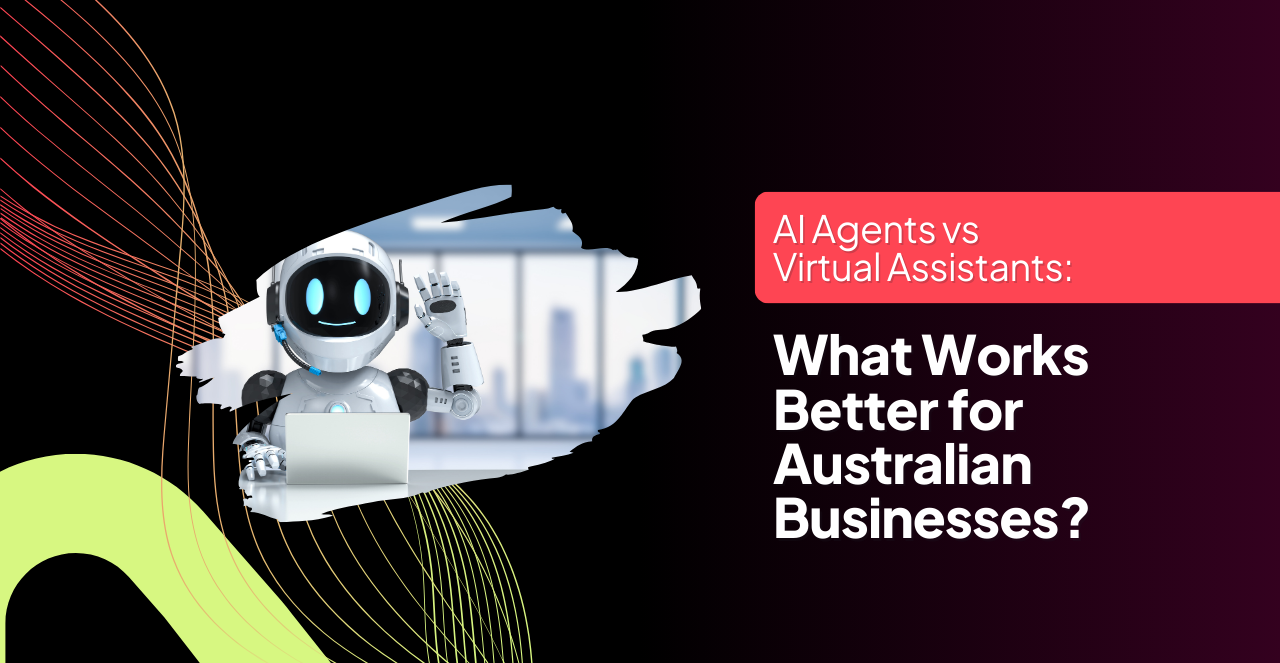
Australian businesses are increasingly turning to automation to improve efficiency, reduce costs, and scale operations. For years, virtual assistants have been a popular solution for handling administrative and operational tasks. However, AI agents are now emerging as a powerful alternative that challenges the traditional VA model.
The debate around AI agents vs VA solutions is no longer theoretical. Business owners are actively choosing between hiring human virtual assistants or deploying AI-powered systems that operate continuously. Each option offers benefits, but they differ significantly in performance, scalability, and long-term value.
As AI assistants Australia businesses become more advanced, decision-makers must understand what truly works better for their operations. This article examines the limitations of virtual assistants, the benefits of AI agents, cost differences, ideal use cases, and how businesses can effectively deploy AI agents.
Limitations of Virtual Assistants
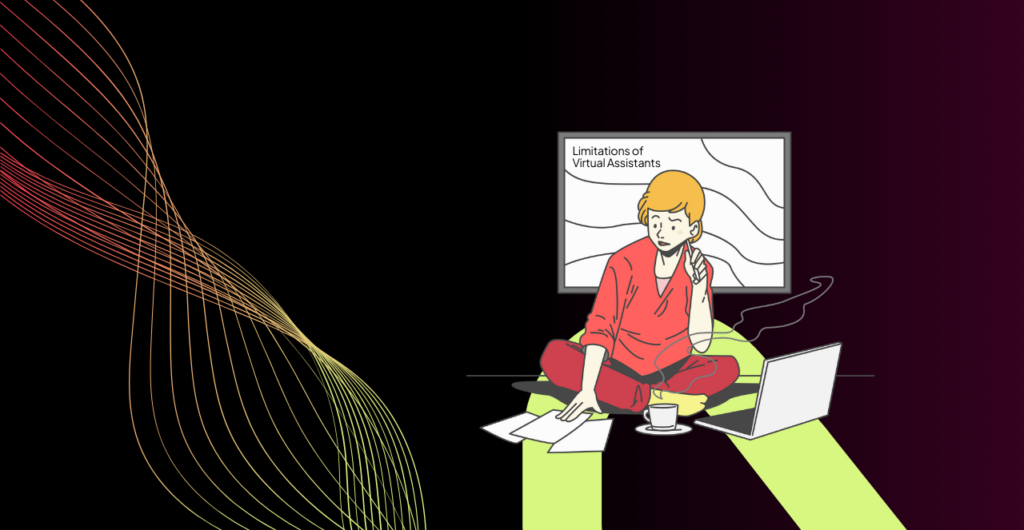
Virtual assistants have helped many businesses reduce workload and manage daily tasks. However, they come with inherent limitations that become more apparent as businesses grow.
One major limitation is availability. Virtual assistants work set hours and require breaks, leave, and supervision. For Australian businesses operating across time zones or handling customer inquiries outside business hours, this creates delays and missed opportunities.
Another challenge is consistency. Human error, varying skill levels, and communication gaps can affect performance. Tasks may be completed differently depending on the individual VA, leading to inconsistent outcomes.
Scalability is also an issue. As the workload increases, businesses must hire additional virtual assistants, which adds recruitment, training, and management overhead. This makes virtual assistant automation difficult to scale efficiently.
While virtual assistants remain useful for specific tasks, their limitations often prevent businesses from achieving seamless, round-the-clock automation.
Why AI Agents Perform Better
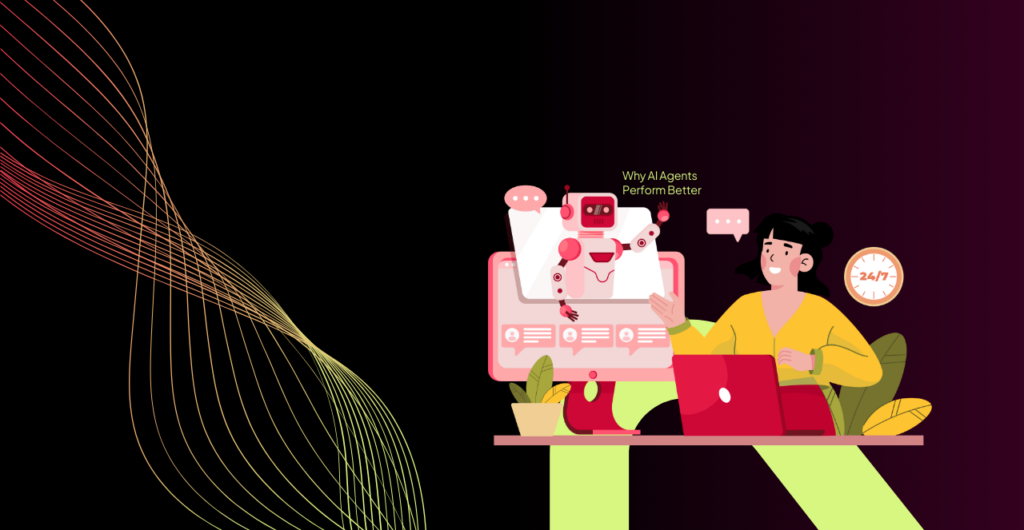
- AI agents outperform virtual assistants in environments that require speed, accuracy, and scalability. Unlike human assistants, AI agents operate continuously without fatigue, ensuring consistent performance at all times.
- AI agents analyse data, make decisions, and execute tasks automatically. They integrate with business systems such as CRMs, helpdesks, and marketing platforms, enabling end-to-end automation. This reduces reliance on manual intervention and eliminates repetitive work.
- Another key advantage is adaptability. AI agents learn from interactions and improve over time. They can handle complex workflows, manage large volumes of data, and respond instantly to triggers.
For businesses using AI business tools, AI agents provide measurable efficiency gains. They deliver faster response times, improved accuracy, and better customer experience. These benefits make AI agents a stronger long-term solution for growing Australian businesses.
Cost Comparison: AI vs VA
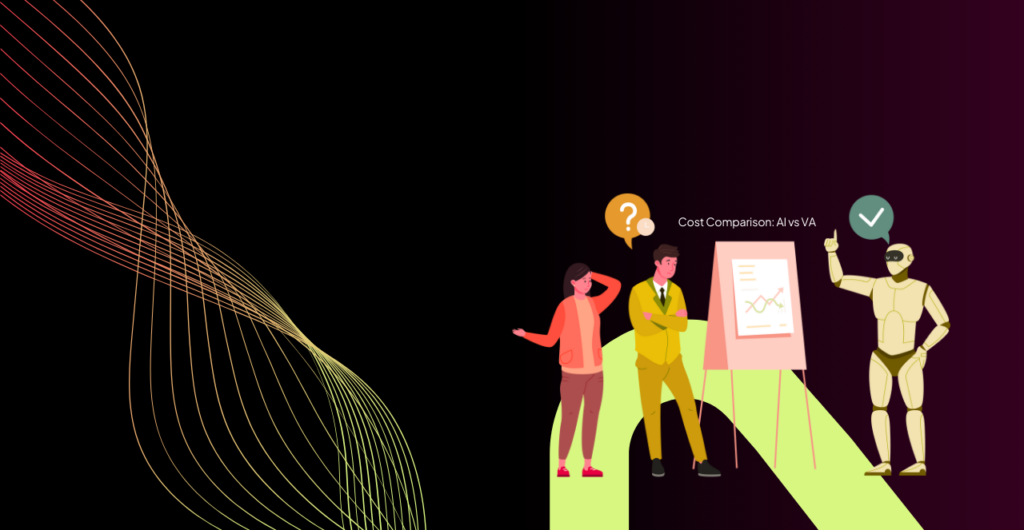
Cost is a major factor when comparing AI agents vs virtual assistants. Virtual assistants typically involve recurring monthly expenses, including hourly wages, onboarding, training, and management time.
AI agents, on the other hand, involve an initial setup cost followed by lower ongoing expenses. Once deployed, AI agents handle increasing workloads without additional staffing costs. This makes them highly cost-effective at scale.
Another cost consideration is productivity. AI agents complete tasks instantly and consistently, while virtual assistants may take longer and require oversight. Over time, efficiency gains from AI agents translate into significant savings.
For Australian businesses focused on long-term growth, AI agent benefits include predictable costs, higher output, and reduced operational risk. While VAs may appear cheaper initially, AI agents often deliver better returns on investment.
Best Tasks for AI Agents
- AI agents excel at tasks that are repetitive, data-driven, and time-sensitive. These tasks often consume significant resources when handled manually or by virtual assistants.
- Common use cases include customer support automation, lead management, appointment scheduling, and follow-up communication. AI agents respond instantly, ensuring no request goes unanswered.
- AI agents are also effective for internal workflows such as reporting, data synchronisation, invoice processing, and task assignment. Their ability to integrate across systems makes them ideal for complex operations.
For businesses seeking scalable automation, AI agents provide consistent performance without additional staffing. They free teams from routine work, allowing focus on strategy and growth.
Deploying AI Agents for Your Business
Deploying AI agents begins with identifying processes that consume time and follow predictable patterns. Businesses should prioritise workflows that benefit most from automation.
The next step involves selecting tools that integrate with existing systems. AI agents must connect seamlessly with CRMs, communication platforms, and databases to deliver accurate results.
Testing and optimisation are critical. AI agents should be monitored during early deployment and refined based on performance data. Gradual rollout ensures smooth adoption and minimal disruption.
Working with experienced professionals ensures AI agents are deployed strategically and aligned with business goals.
Key Takeaways
- AI agents offer greater scalability and consistency than virtual assistants
- Virtual assistants have limitations in availability and long-term cost efficiency
- AI agents deliver better ROI for repetitive and data-driven tasks
- Australian businesses benefit from faster operations and improved automation
- Deploying AI agents strategically supports sustainable business growth
Frequently Asked Questions
What is the main difference between AI agents and virtual assistants?
AI agents are automated systems that operate continuously, while virtual assistants are human workers with limited availability.
Are AI agents suitable for small Australian businesses?
Yes, AI agents are highly suitable for small businesses due to their scalability, cost efficiency, and automation capabilities.
Can AI agents replace virtual assistants completely?
AI agents can replace many repetitive tasks, but human input remains valuable for strategic and creative work.
Are AI agents expensive to implement?
AI agents involve an upfront setup cost but offer long-term savings and higher efficiency compared to virtual assistants.
How can businesses start using AI agents?
Businesses can start by automating simple workflows and gradually expanding AI agent capabilities as needs grow.