Skip to content


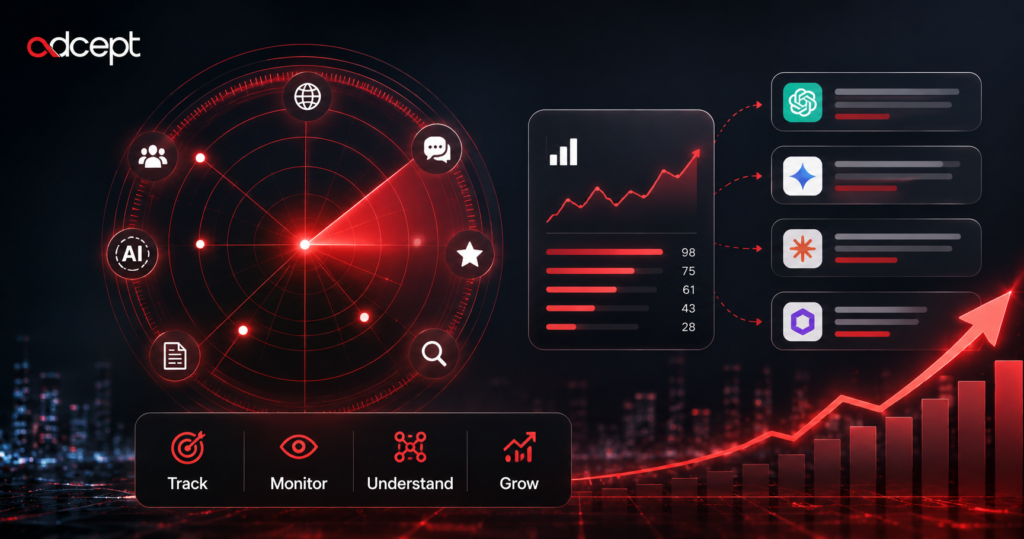
Learn what Brand Radar is, how Ahrefs tracks AI visibility, and how brands can use AI citation tracking to grow reach.
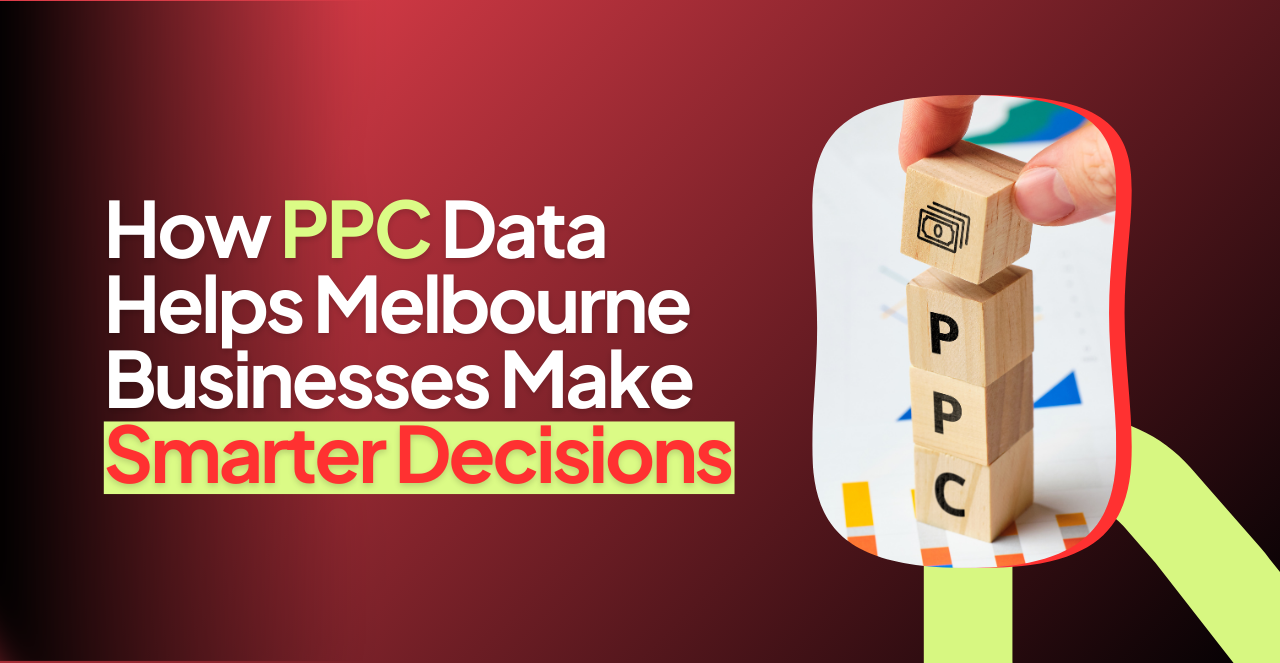
In today’s fast-paced digital marketing landscape, Melbourne businesses are leveraging the power of Pay-Per-Click (PPC) advertising to target audiences, drive traffic, and generate conversions. However, the real game-changer lies in the use of PPC data insights. These insights provide businesses with actionable data that can guide smarter, more strategic decisions. Through careful analysis, businesses can optimise campaigns, improve ROI, and enhance their overall marketing strategy.
In this article, we’ll explore how Melbourne businesses can harness PPC data and conversion tracking to not only boost their online presence but also make more informed decisions that impact their bottom line.
What is PPC Data and Why is it Important?
PPC data refers to the metrics and insights derived from paid advertising campaigns, particularly those run on platforms like Google Ads, Facebook Ads, and Bing Ads. This data typically includes key performance indicators (KPIs) such as click-through rates (CTR), cost per click (CPC), conversion rates, and return on ad spend (ROAS).
For businesses in Melbourne, PPC data insights provide valuable feedback on how well their ads are performing, which keywords are driving the most traffic, and which audience segments are engaging with their content.
By analysing this data, businesses can adjust their marketing efforts in real-time, allocate their budgets more efficiently, and make data-driven decisions that lead to better outcomes.
The Role of Conversion Tracking in PPC Campaigns

Conversion tracking is a pivotal part of PPC data. It allows businesses to measure the success of their campaigns by tracking specific actions or “conversions” that visitors take on their website. These actions could be anything from making a purchase, filling out a contact form, or signing up for a newsletter.
Incorporating conversion tracking into PPC campaigns helps businesses understand not just how many people clicked on their ads, but how many of those clicks resulted in tangible business outcomes. This deeper level of analysis provides insight into the actual value each campaign is bringing to the business, rather than just vanity metrics like clicks.
Key Benefits of Conversion Tracking:

- ROI Measurement: Helps businesses assess how much revenue is generated from PPC ads, ensuring they are getting a return on investment.
- Audience Insights: Tracks which audience segments convert the best, enabling businesses to focus their efforts on the most profitable demographics.
- Campaign Optimisation: Enables fine-tuning of ads, keywords, and bidding strategies to drive better results.
With accurate conversion tracking, Melbourne businesses can stop guessing and start knowing which aspects of their campaigns are working and which need improvement.
How PPC Data Helps Melbourne Businesses Make Smarter Decisions

1. Improved Ad Targeting
PPC data offers a wealth of information about audience behaviour, including location, device preferences, and even the time of day when they are most likely to engage with ads. By analysing this data, businesses can tailor their ads to specific segments, ensuring that their messages reach the right people at the right time.
2. Budget Optimisation
Effective budget allocation is critical for the success of any PPC campaign. With PPC data insights, businesses can track which keywords, ads, and campaigns are delivering the best results and adjust their budget allocation accordingly. For example, if one campaign is driving higher conversion rates, increasing its budget can further boost its performance, while underperforming campaigns can be scaled back or paused.
3. Better Keyword Strategy
Keyword selection is a crucial element of PPC. By analysing keyword performance using PPC data, Melbourne businesses can identify high-performing keywords that drive clicks and conversions. At the same time, they can eliminate keywords that are not performing well, thereby saving money and ensuring that the budget is spent wisely on terms that matter most.
4. Tracking Competitor Performance
PPC data can also offer valuable insights into competitor strategies. By using competitive analysis tools, businesses can compare their ad performance against competitors and adjust their strategies to stay ahead of the curve. This includes tweaking ad copy, adjusting bids, and targeting different audience segments.
5. Enhanced User Experience
PPC data helps businesses understand how users interact with their website after clicking an ad. If users are bouncing quickly or not converting as expected, businesses can make improvements to their landing pages, such as streamlining the user journey or optimising call-to-action (CTA) buttons. By using PPC data to enhance the user experience, businesses can drive higher conversion rates.
How to Leverage PPC Data for Smarter Decision-Making in Melbourne
To truly unlock the potential of PPC data, Melbourne businesses must focus on a few key strategies:
- Regularly Monitor Key Metrics: Consistently track metrics like CTR, CPC, conversion rate, and ROAS to identify trends and make real-time adjustments.
- Test and Experiment: Continuously test different ad copy, landing pages, and targeting strategies to identify what works best.
- Use Smart Automation: Automate bid adjustments, reporting, and audience segmentation based on predefined rules, saving time and improving accuracy.
- Integrate with Analytics: Connect PPC data with other analytics tools like Google Analytics to get a holistic view of customer behaviour and optimise the entire customer journey.
Conclusion
In conclusion, PPC data insights and conversion tracking are powerful tools for Melbourne businesses seeking to make smarter decisions in their advertising efforts. By leveraging these insights, businesses can optimise their ad campaigns, improve ROI, and better understand their customers. As the digital landscape becomes more competitive, those who embrace data-driven decision-making will be positioned for long-term success.
Key Takeaways
- PPC data insights help businesses make informed decisions about their ad targeting, budget allocation, and campaign optimisation.
- Conversion tracking is critical for understanding how well your PPC ads are driving meaningful business outcomes.
- Regular monitoring of key metrics and continual testing help businesses stay ahead of the competition.
- By integrating PPC data with broader analytics tools, businesses can gain a complete understanding of their customers’ journey and improve user experience.
Frequently Asked Questions
What is the importance of conversion tracking in PPC campaigns?
Conversion tracking allows businesses to measure the actual impact of their PPC ads, ensuring they are generating valuable actions, such as purchases or sign-ups.
How can PPC data help optimise ad targeting?
PPC data provides insights into audience behaviour, helping businesses adjust their targeting strategies to reach the right people at the right time.
How can businesses use PPC data to improve ROI?
By monitoring performance data, businesses can allocate their budgets to high-performing campaigns and eliminate underperforming ones, ensuring more efficient spending.
What are some common PPC metrics businesses should track?
Key PPC metrics include click-through rate (CTR), cost per click (CPC), conversion rate, return on ad spend (ROAS), and impression share.
How often should businesses review their PPC data?
It’s essential to review PPC data regularly, ideally weekly or bi-weekly, to ensure campaigns are performing as expected and to make timely adjustments.