Skip to content



Learn how to read Google Search Console’s generative AI performance report, track AI Overviews visibility and measure AI traffic in GA4.
Link building has always been one of the most influential factors in search engine optimisation. However, the strategies that worked several years ago are no longer effective in today’s search landscape.
In the past, many websites built rankings by acquiring large numbers of backlinks from directories, guest post networks, and low-quality blogs. While these tactics once produced results, modern search algorithms have become far more sophisticated.
Search engines now evaluate links based on context, relevance, and credibility rather than sheer volume. Links that appear manipulative or irrelevant can harm rankings instead of improving them.
For Australian businesses, this shift means that link-building strategies must evolve. Instead of focusing on quantity, modern SEO emphasises earning links from authoritative and topically relevant sources.
The fastest-growing websites in Australian search results today are those that treat link building as a byproduct of authority. They publish valuable resources, build relationships within their industries, and create content that journalists and industry publications want to reference.
This guide explains which link-building strategies remain effective in 2026 and how Australian businesses can build sustainable authority through modern SEO practices.
Why Link Building Still Matters for SEO

Search engines rely on links to understand the credibility and influence of a website. When another website links to your content, it acts as a signal that your page provides useful information.
However, not all links carry equal weight.
A single link from a respected industry publication can be far more valuable than dozens of links from low-quality blogs.
Search engines analyse several factors when evaluating backlinks. These include the authority of the linking website, the topical relevance of the content, and the natural context in which the link appears.
For Australian businesses competing in crowded digital markets, backlinks remain a critical ranking signal. Even the best content may struggle to rank if the website lacks authority.
Companies investing in professional SEO services often focus on building high-quality editorial links rather than pursuing mass link acquisition.
This approach strengthens domain authority while avoiding penalties associated with manipulative tactics.
Link building, therefore, remains an essential part of search visibility, but the methods used to earn links have evolved significantly.
Why Traditional Link Building Tactics No Longer Work

Many outdated link-building techniques are still promoted online, but they no longer produce reliable results.
Directory submissions were once a common tactic for acquiring backlinks. Today, most directories provide minimal authority and are largely ignored by search algorithms.
Mass guest posting networks represent another outdated strategy. In these networks, websites publish generic articles solely for the purpose of linking back to other sites.
Search engines have become highly effective at detecting these patterns. Links from unrelated websites with little editorial oversight provide little value and may even trigger spam signals.
Automated link-building tools have also lost effectiveness. These tools generate large volumes of low-quality links that rarely contribute to genuine authority.
Modern search algorithms prioritise authenticity and topical alignment. Links must appear naturally within content that genuinely relates to the subject matter.
Businesses focusing on long-term growth often combine high-quality content with professional copywriting services to create resources that naturally attract references from other websites.
Moving away from outdated tactics protects websites from penalties and ensures that link-building efforts contribute to sustainable rankings.
The Rise of Digital PR in SEO

Digital PR has emerged as one of the most effective link-building strategies for modern SEO.
Unlike traditional link building, digital PR focuses on creating content that journalists, bloggers, and industry publications genuinely want to reference.
This approach combines public relations principles with SEO strategy.
Examples of digital PR content include:
- Original research studies
- Industry surveys
- Data-driven reports
- Expert commentary on trending topics
- Interactive tools or resources
When this type of content is published, it often attracts media attention and editorial coverage.
Journalists frequently cite credible sources when reporting on industry trends. Businesses that provide valuable insights become natural references within these articles.
Digital PR campaigns often generate backlinks from high authority domains such as news websites, industry publications, and government organisations.
Businesses implementing AI automation tools sometimes use data analytics to identify trending topics that journalists are currently covering.
Creating valuable content around these topics increases the likelihood of earning editorial coverage.
Digital PR, therefore, shifts the focus from building links to earning them through valuable contributions to industry conversations.
The Power of Topical Relevance in Link Building

Topical relevance has become one of the most important factors in evaluating backlinks.
Search engines analyse whether the linking website operates within the same subject area as the page receiving the link.
For example, a marketing agency receiving a link from an industry publication about digital strategy carries far greater relevance than a link from an unrelated lifestyle blog.
Topical alignment strengthens the contextual signals surrounding a link. It helps search engines understand that the reference is meaningful rather than artificially placed.
Businesses often build topical relevance by participating in industry communities, publishing thought leadership articles, and collaborating with other organisations in their sector.
When websites within the same field reference each other, search engines interpret these connections as indicators of authority.
Companies offering services such as CRM integration or marketing automation frequently earn links from technology publications discussing industry tools and trends.
These relationships reinforce credibility and strengthen the website’s authority within its niche.
Topical relevance, therefore, plays a central role in modern link-building strategy.
Internal Linking as a Hidden Authority Lever
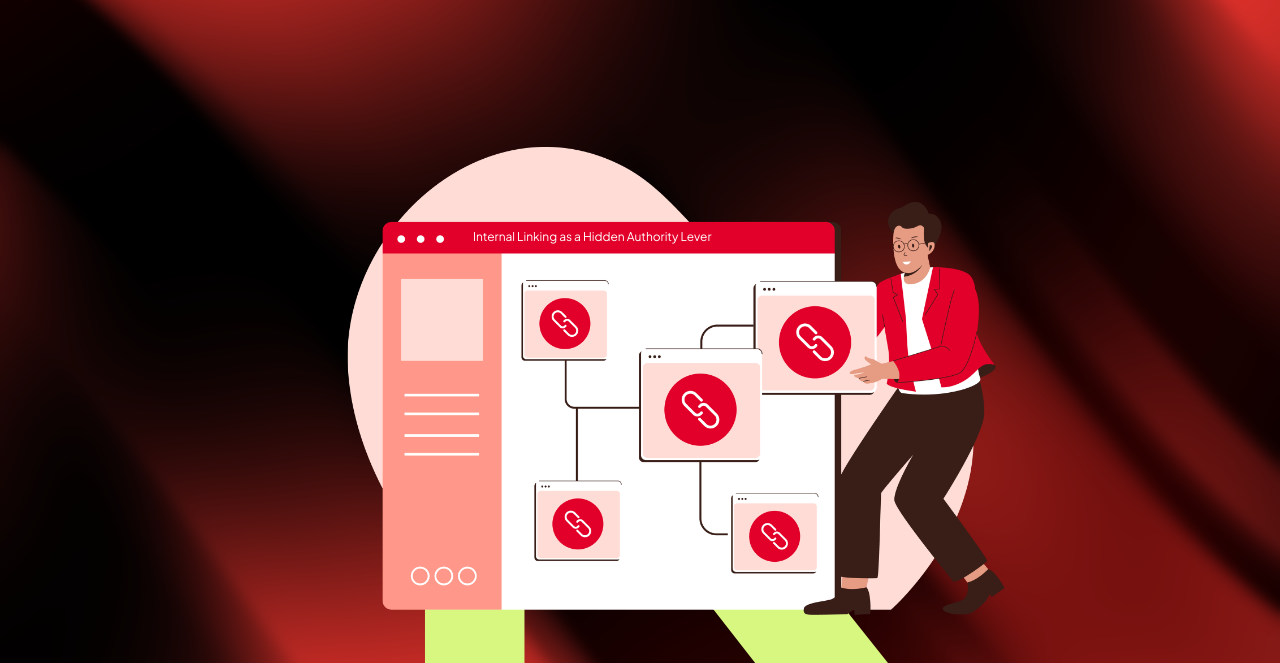
While external backlinks receive most of the attention in SEO discussions, internal linking is one of the most powerful tools for distributing authority across a website.
Internal links connect related pages and help search engines understand the hierarchy of information within a site.
When a page earns external backlinks, the authority from those links can be passed to other pages through internal linking.
This process allows websites to strengthen important pages such as service pages, product categories, or informational resources.
Effective internal linking strategies often connect related articles and service pages in ways that reflect topical relationships.
For example, an article discussing marketing automation could naturally link to pages describing AI automation services or analytics and reporting solutions.
Internal linking also improves user navigation by guiding visitors to additional relevant content.
Businesses investing in structured content strategies frequently audit their internal linking structure to ensure authority flows efficiently across their website.
Optimising internal links allows companies to maximise the value of existing backlinks without acquiring additional external links.
Broken Link Building Opportunities in Australia

Broken link building remains one of the most effective and underutilised link-building strategies.
This tactic involves identifying broken links on external websites and suggesting relevant replacement content.
When a website contains a broken link, it creates a poor user experience because visitors encounter an error page instead of useful information.
Website owners often appreciate being informed about these issues.
If your website contains a piece of content that serves as a suitable replacement, you can suggest that the website owner update the link.
Australian industry websites frequently contain outdated resources that link to pages that no longer exist.
Replacing these links with updated content benefits both parties. The website owner fixes a broken link, while your website earns a relevant backlink.
Businesses publishing in-depth resources often use this tactic to build relationships with industry publications and associations.
Combining broken link building with strategic content development ensures that the replacement resources genuinely add value to the linking website.
This strategy produces high-quality backlinks without relying on manipulative tactics.
Building Long-Term Authority Through Content
The most sustainable link-building strategy is creating content that becomes the most cited resource within its subject area.
Websites that consistently publish useful information naturally attract links over time.
For example, comprehensive guides, research reports, and industry analysis articles often become reference points for other websites.
Businesses that invest in professional web design and development ensure these resources are easy to navigate and visually engaging.
Well-structured content encourages other websites to reference and share the information.
Content marketing also supports other marketing channels. Articles that attract backlinks often generate social shares, media mentions, and industry recognition.
Over time, this creates a reputation for authority within the industry.
Businesses that focus on long-term authority rather than short-term link acquisition strategies build stronger and more resilient search visibility.
Links become the natural outcome of providing valuable information.
Conclusion
The link-building strategies that produced results several years ago are no longer effective in today’s search environment.
Modern SEO prioritises relevance, credibility, and genuine authority rather than high volumes of low-quality links.
Australian websites experiencing the fastest organic growth are those that combine digital PR, authoritative content, and strategic internal linking.
Instead of pursuing artificial link acquisition tactics, successful businesses earn links by becoming trusted sources of information within their industries.
Adcept builds this type of earned authority systematically by aligning content strategy with modern search algorithms and industry relationships.
As search engines continue evolving, the websites that prioritise credibility and expertise will remain best positioned to maintain strong organic visibility.
Key Takeaways
- Link velocity, earning links at a natural pace, matters as much as total link count.
- A single link from a .edu.au or .gov.au domain can outweigh dozens of low-quality blog links.
- Topical relevance of the linking domain is more important than domain authority scores alone.
- Internal linking distributes authority across pages and is one of the most underused SEO tactics.
- Broken link building on Australian industry websites offers strong opportunities for acquiring relevant backlinks.
Frequently Asked Questions
Are guest posts still worth doing for link building in Australia?
Guest posting can still be valuable when it involves high-quality editorial placements on relevant Australian publications. Generic guest posts on unrelated websites provide little SEO value.
How many backlinks do I need to rank on page one in Australia?
In many Australian industries, thirty to one hundred high-quality referring domains combined with strong topical authority can achieve page one rankings. Quality and relevance matter more than sheer volume.
What is digital PR for SEO?
Digital PR involves creating newsworthy content such as original research, data analysis, or expert commentary that journalists and industry publications want to reference. These references generate high authority editorial backlinks.
Do links from Australian domains matter more for local rankings?
Yes. Links from Australian domains, particularly .com.au, .edu.au, and .gov.au websites, often carry strong geographic relevance and credibility signals.
How long does it take for link building to influence rankings?
The impact of backlinks typically becomes visible within several weeks to several months, depending on the authority of the linking websites and the competitiveness of the search keywords.