Skip to content


Learn how to read Google Search Console’s generative AI performance report, track AI Overviews visibility and measure AI traffic in GA4.
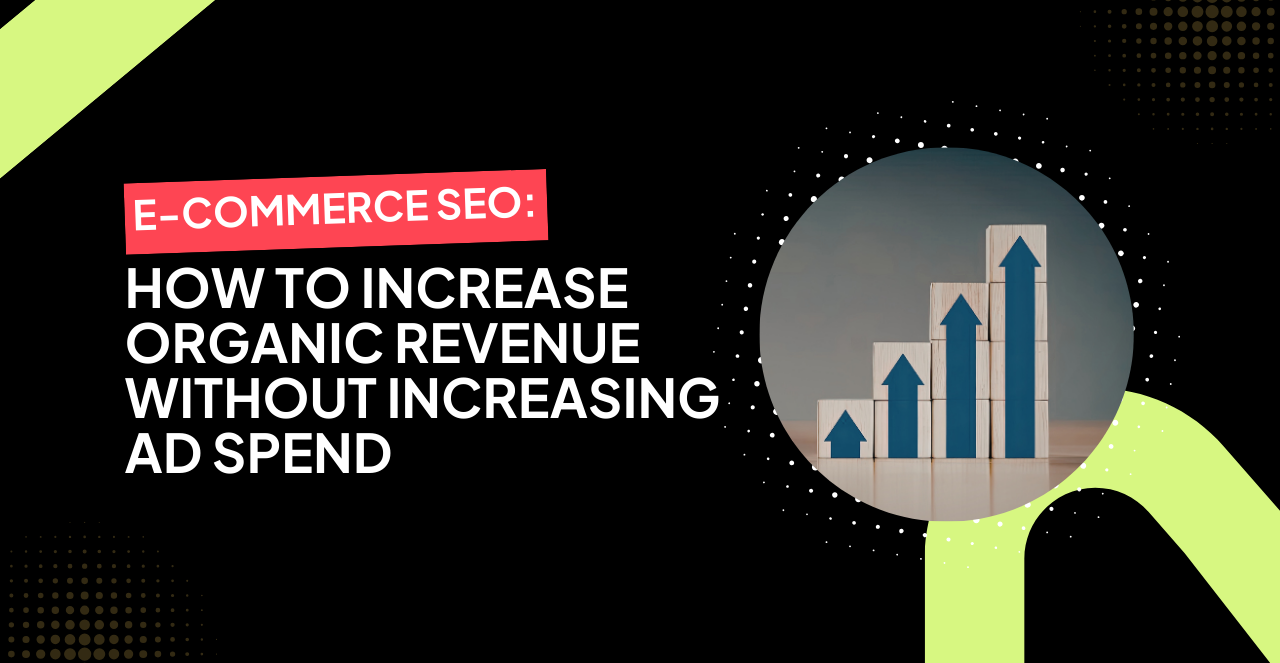
Paid advertising has become increasingly expensive for Australian e-commerce brands. As competition grows across platforms like Google Ads and social media, many businesses find that acquiring customers through paid channels becomes harder to sustain over time.
Search engine optimisation offers a different approach. Instead of paying for each click, SEO builds a long-term traffic channel that compounds as a website grows in authority and visibility.
However, many e-commerce businesses approach SEO incorrectly. Most focus heavily on product page optimisation while ignoring the structure and authority of category pages. This approach limits growth because category pages usually target the highest search volume keywords and attract customers who are ready to purchase.
A well-planned e-commerce SEO strategy combines category page architecture, technical optimisation, and structured product content. When executed correctly, it creates a consistent flow of organic traffic and revenue.
Australian online stores that invested in this strategy over the past few years now dominate competitive search results. Their success demonstrates that SEO is not simply about rankings; it is about building a scalable organic revenue engine.
This guide explains how e-commerce businesses can increase organic sales without increasing advertising spend.
Why Organic Search Is the Most Profitable Channel for E-Commerce

Organic search traffic behaves differently from paid traffic. When users discover products through search engines, they often arrive with a clear intent to buy or compare options.
Unlike paid campaigns that stop producing traffic when budgets are paused, organic visibility continues generating visitors over time.
For Australian e-commerce brands, this creates a compounding advantage. As more pages rank for product and category keywords, the website attracts increasingly larger audiences without additional advertising costs.
Organic search also builds trust. Consumers often view high-ranking websites as more credible than paid advertisements.
Another advantage is coverage across the entire customer journey. Informational content attracts customers who are researching products, while category and product pages capture buyers who are ready to purchase.
Many businesses integrate SEO with broader marketing strategies such as email marketing campaigns and customer retention programs. When combined with strong analytics and reporting, companies can identify which search queries generate the most profitable traffic.
This long-term perspective explains why e-commerce SEO consistently delivers higher return on investment compared with paid advertising over multi-year periods.
The Importance of Category Page Architecture

Category pages are the most overlooked opportunity in e-commerce SEO.
While product pages target individual product searches, category pages capture broader queries with significantly higher search volume. These searches often indicate strong commercial intent.
For example, users searching for running shoes in Australia are typically exploring multiple options rather than looking for a single product. Category pages are designed to meet this type of search behaviour.
A strong category architecture ensures that each category targets a distinct keyword theme and provides valuable information beyond a simple product list.
Effective category pages include:
- A clear introductory description explaining the product category
- Internal links to subcategories and related collections
- Structured navigation that allows users to filter products easily
- Informational content that answers common buyer questions
Many e-commerce sites neglect these elements and simply display product grids. This approach limits the page’s ability to rank for competitive keywords.
Businesses that invest in strategic SEO services often redesign category architecture so that search engines understand the hierarchy of products and collections.
Well-structured category pages act as the foundation of organic search visibility for e-commerce websites.
Optimising Product Pages for Search and Conversions

Product pages remain essential for capturing high-intent searches where users already know what they want.
However, optimising these pages requires more than inserting keywords into descriptions. The content must balance search visibility with persuasive messaging that encourages purchases.
A strong product page typically includes:
- A compelling introduction that highlights the product’s key benefit
- Clear product specifications and features
- Use case explanations that help customers understand how the product solves their problem
- Frequently asked questions addressing common concerns
Story-driven product descriptions often perform better than generic manufacturer text. Unique content also prevents duplication across multiple retailers selling the same product.
Professional copywriting services can help brands create product descriptions that remain informative while reflecting the brand’s voice.
Customer-generated content is another powerful SEO asset. Reviews and testimonials add fresh text to product pages and naturally include keywords that real customers use when describing products.
These signals help search engines understand how the product is used and why customers value it.
Product page optimisation, therefore, improves both search rankings and conversion rates.
Managing Faceted Navigation and Duplicate Content

Faceted navigation allows customers to filter products by attributes such as price, colour, size, or brand. While useful for shoppers, it can create serious technical SEO problems.
Every filter combination often generates a new URL. For example, a category page filtered by brand and colour might create a completely separate page from the original category.
Without proper management, this can create thousands of duplicate URLs.
Search engines may waste crawl resources indexing these duplicate pages, which weakens the authority of the main category page.
Technical SEO audits should evaluate how faceted navigation is implemented.
Common solutions include:
- Using canonical tags that point filtered pages to the main category page
- Blocking low-value filter combinations through robots’ directives
- Limiting indexation to only the most valuable category variations
Businesses investing in professional web design and development often implement faceted navigation systems that maintain user convenience without harming search visibility.
Proper management of duplicate URLs protects the site’s authority and ensures search engines focus on the pages that matter most.
Site Speed and Technical Performance
Website speed directly influences both rankings and revenue.
Slow websites create friction in the purchasing process. Even a delay of one second can reduce conversion rates significantly.
For e-commerce sites, this effect multiplies because product pages often include images, scripts, and interactive features that increase page weight.
Technical SEO audits typically analyse several performance metrics.
Time to First Byte measures how quickly the server responds to a user request. Large images and uncompressed files increase loading times. Inefficient code execution can also slow page rendering.
Improving these factors often requires infrastructure improvements such as content delivery networks, image compression, and optimised caching.
Businesses implementing AI automation tools sometimes use automated optimisation workflows that compress images or monitor page speed metrics across the site.
Fast websites provide a smoother shopping experience and improve search rankings simultaneously.
Speed optimisation, therefore, delivers both technical SEO benefits and direct revenue growth.
Using Seasonal Content Clusters to Capture Demand

Many e-commerce businesses experience predictable seasonal demand spikes. Examples include holiday shopping periods, sales events, and seasonal product trends.
SEO strategies that anticipate these patterns often outperform reactive marketing campaigns.
Seasonal content clusters involve publishing related articles and category pages several months before peak demand periods. This allows search engines enough time to crawl, index, and rank the content before customers begin searching.
For example, an online retailer might create a cluster of articles around summer outdoor equipment, including buying guides and product comparisons.
These articles internally link to relevant product categories and featured products.
Businesses that combine seasonal SEO with paid advertising often achieve stronger results because organic visibility reduces reliance on expensive advertising during peak demand.
Social media marketing campaigns can also amplify seasonal content and attract additional traffic.
Planning content ninety days before peak periods ensures that e-commerce websites capture high-intent traffic when customer demand reaches its highest level.
Integrating SEO With the Broader E-Commerce Ecosystem
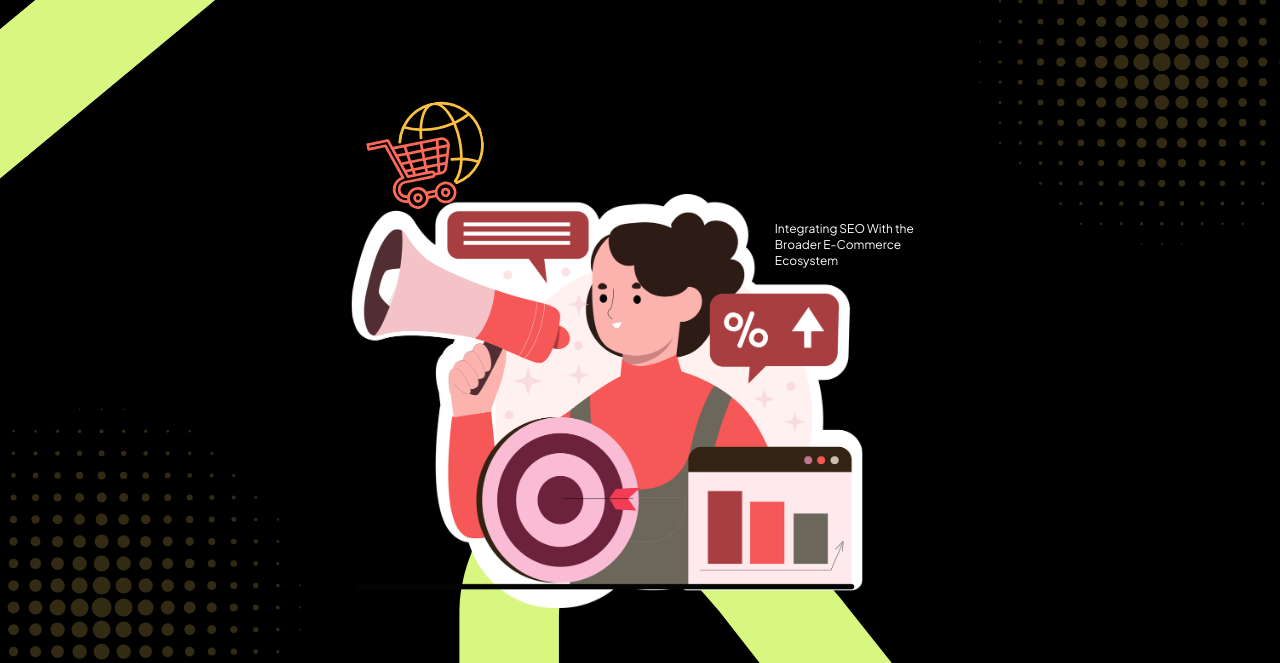
Successful e-commerce SEO does not operate in isolation. It works best when integrated with other business systems and marketing channels.
For example, customer behaviour data collected through CRM integration platforms can reveal which products generate the highest lifetime value. These insights help businesses prioritise which categories deserve the most SEO investment.
Marketing automation tools also support product launches and promotional campaigns by aligning organic search content with email campaigns and paid advertising.
Businesses can also integrate conversational technologies such as voice agent systems to improve customer support and answer product questions in real time.
Combining SEO with these systems creates a connected digital ecosystem where each channel reinforces the others.
When organic search, analytics, automation, and customer management platforms operate together, businesses gain a clearer understanding of how search traffic converts into revenue.
This holistic approach allows e-commerce companies to scale their organic growth more effectively.
Conclusion
E-commerce SEO is one of the most powerful revenue growth strategies available to online retailers.
When implemented with strong category architecture, structured product content, and technical precision, organic search consistently outperforms paid advertising over long time horizons.
Australian e-commerce brands dominating search results today are those that invested in category page optimisation and semantic content strategies months or even years ago.
Organic visibility compounds over time. Each optimised page adds another entry point through which customers discover products.
Businesses that begin building this infrastructure today position themselves to capture future demand more efficiently and reduce their dependence on rising advertising costs.
The best time to start strengthening your e-commerce SEO strategy is now.
Key Takeaways
- Category page SEO often generates three to ten times more revenue impact than equivalent product page optimisation.
- Poorly managed faceted navigation can create thousands of duplicate URLs that weaken search authority.
- Customer reviews on product pages provide scalable, unique content that strengthens search visibility.
- Site speed affects both search rankings and conversion rates.
- Seasonal content clusters published months before peak demand capture high intent organic traffic.
Frequently Asked Questions
What is the most important SEO factor for an e-commerce site?
Category page architecture and internal linking structure are often the most influential factors. Many e-commerce stores invest heavily in product page optimisation while neglecting the category pages that capture the largest search volumes.
How do I optimise product pages for SEO without sounding robotic?
Focus on explaining the customer benefit first. Include the primary keyword naturally within the introduction and add a short story or use case describing how the product solves a real problem.
Does Shopify or WooCommerce rank better for SEO?
Neither platform determines ranking outcomes. Search visibility depends on the quality of your content strategy, site architecture, and technical optimisation. Both Shopify and WooCommerce can achieve strong rankings when implemented correctly.
How long does it take for e-commerce SEO to produce results?
Most websites begin seeing improvements within three to six months. However, significant revenue growth often occurs after sustained optimisation over twelve months or more.
Can SEO replace paid advertising for e-commerce?
SEO and paid advertising work best together. While SEO builds long-term organic traffic, paid campaigns provide immediate visibility and help test new products or promotions.