

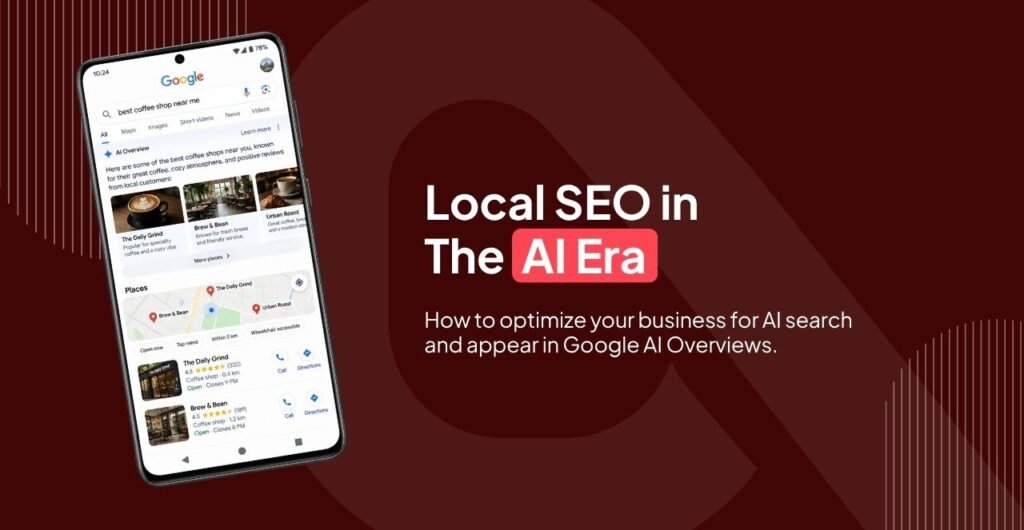
Want your Melbourne business to appear in AI answers? Learn how local SEO for AI search works, from Google Business Profile to AI Overviews and AI Mode.
What Does Programmatic SEO Mean?
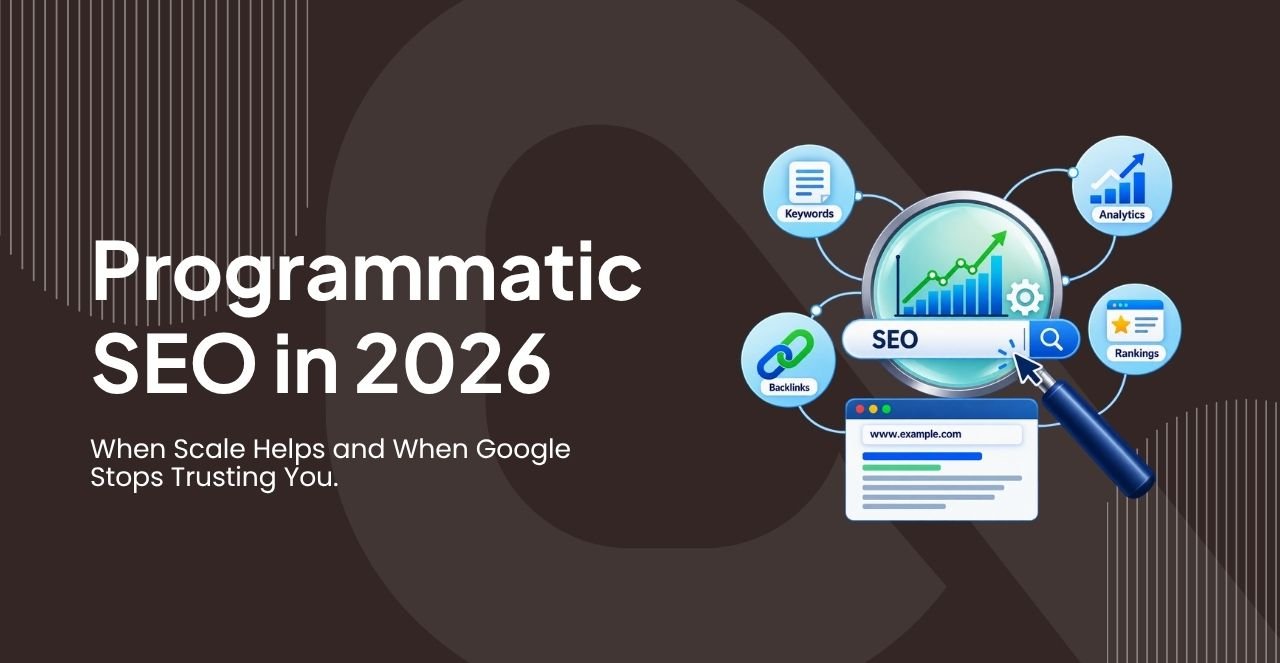
Programmatic SEO, often shortened to pSEO, is the process of creating large numbers of search-focused pages from structured data and reusable templates. Instead of manually writing every page, you design a page framework and populate it with changing information. Common programmatic SEO page types include:- suburb or location pages
- product or category pages
- integration directories
- comparison pages
- property or job listings
- travel destination pages
- data-driven calculators or directories
What Are the Key Differences Between Programmatic SEO and Traditional SEO?
The main difference is not quality. It is production method and scale. Traditional SEO content is usually researched, written and optimised page by page. Programmatic SEO uses templates, databases and automation to produce multiple pages following a repeatable structure. Both approaches can produce excellent or terrible content. Traditional SEO often works better for:- thought leadership
- complex service pages
- original research
- detailed guides
- nuanced comparison content
- “Xero integration with HubSpot”
- “Xero integration with Shopify”
- “Xero integration with Salesforce”
Can You Give Me an Example of Programmatic SEO?
Consider an Australian solar comparison platform serving hundreds of suburbs. It shows both the weakest and strongest programmatic SEO examples side by side. A weak pSEO approach might create:- Solar Panels Melbourne
- Solar Panels Richmond
- Solar Panels Fitzroy
- Solar Panels Carlton
- local installation availability
- property or roof characteristics relevant to the area
- electricity network information where applicable
- local supplier data
- typical system options
- relevant regulations or council considerations
- local testimonials or case studies if genuine
- location-specific FAQs
When Does Programmatic SEO Become Scaled Content Abuse?
The main risk appears when scale becomes the objective rather than the by-product. Google describes scaled content abuse as large amounts of unoriginal or low-value content created primarily to manipulate search rankings. Examples include mass AI-generated pages without added value, scraped feeds republished without meaningful improvement and pages created mainly to contain search keywords. Warning signs include:- hundreds of pages targeting tiny keyword variations
- identical paragraphs across most URLs
- city pages with no meaningful local information
- scraped datasets presented without interpretation
- AI-generated copy published without editorial review
- pages built only because a keyword tool found search volume
- thousands of indexable combinations produced from filters
What Are the Biggest Programmatic SEO Risks in 2026?
The most obvious pSEO risks are rankings and indexing, but there are broader problems too.Crawl and index bloat
Generating tens of thousands of weak URLs can make it harder to maintain a clean, useful site architecture. A regular technical SEO audit helps you spot indexing and crawl budget issues before they compound.Cannibalisation
Several pages may end up targeting essentially the same intent, leaving Google unsure which URL should rank.Brand damage
Users notice when pages feel auto-generated. A thin page can undermine trust before someone reaches your offer.Maintenance problems
Programmatic pages are easy to create and surprisingly difficult to maintain. If the underlying data becomes outdated, errors can scale just as quickly as content.AI search visibility
Google says the same core SEO principles still apply to AI Overviews and AI Mode, with an emphasis on useful, unique, non-commodity content. There are no separate technical tricks required for inclusion. Publishing 20,000 thin pages therefore does not automatically improve your GEO or AI visibility.How Do You Build Programmatic SEO Pages the Right Way?
A safe programmatic SEO strategy follows the same logic at every stage: prove the value of one page before you multiply it.- Validate a repeatable search need. Confirm that each variation reflects a genuinely different intent, not just a different wording of the same query.
- Source unique data for every page. If you cannot fill a page with distinct, accurate information, do not publish it.
- Design the template around the user’s task. Build sections that answer real questions, rather than slots for inserting keywords.
- Set indexing rules. Only allow pages that meet a minimum data threshold to be indexed, and use noindex or canonical tags for thin combinations.
- Connect pages through a clear hierarchy. Hub pages linking to child pages help build topical authority and make the structure easy to crawl.
- Launch in small batches. Monitor indexing, impressions and engagement in Search Console before expanding.
- Maintain the data. Schedule regular reviews so outdated information does not spread across hundreds of URLs.
Is SEO Dead Now With AI?
No. Google’s own 2026 guidance says established SEO best practices remain foundational for its generative AI features. Pages still need to be crawlable, indexable, useful and relevant if they are to appear in traditional Search, AI Overviews or AI Mode. Read more on how Google’s AI Overviews are changing SEO strategy. What AI has changed is the value of commodity content. If an AI system can answer a question using information available everywhere, publishing another generic 800-word article offers limited differentiation. The stronger opportunity is information that is difficult to reproduce without your business, data or expertise. That could include:- proprietary datasets
- live product availability
- calculators
- original comparisons
- unique inventory
- real customer examples
- genuine local information
- expert interpretation